International Women’s Day
On Sunday 8 March we celebrate International Women’s Day. While there is still mahi to be done to achieve gender equity in the legal profession, International Women’s Day is an opportunity to pause and acknowledge – with gratitude – the courage, leadership and persistence of those who came before us including:
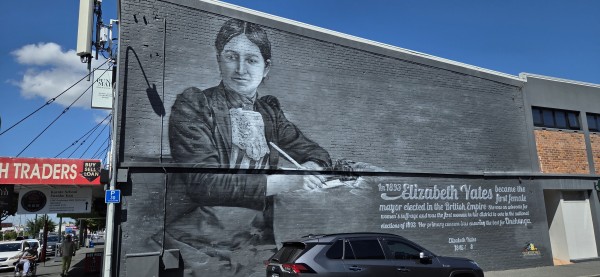
Elizabeth Yates – 1893–1894
The first woman mayor elected in the British Empire. A strong advocate for women’s suffrage, Elizabeth Yates was the first woman to vote in New Zealand’s historic 1893 general election and was elected Mayor of Onehunga in November 1893, taking office in January 1894.
Kate Sheppard – 1893
The leading figure of New Zealand’s women’s suffrage movement. Kate Sheppard organised and presented the 1893 Women’s Suffrage Petition, which led to New Zealand becoming the first country in the world to grant women the right to vote, on 19 September 1893.
Elizabeth McCombs – 1933
New Zealand’s first woman Member of Parliament. Elizabeth McCombs was elected in a by‑election for the Lyttelton electorate on 13 September 1933, forty years after women gained the vote and fourteen years after women gained the right to stand for Parliament.
Iriaka Rātana – 1949–1969
The first Māori woman Member of Parliament. Iriaka Rātana was elected to the Western Māori electorate in 1949 and served for 20 years, becoming a strong advocate for Māori welfare, housing, education and social equity.
Dame Whina Cooper – 1975
A respected Māori leader and activist, Dame Whina Cooper led the Māori Land March (Te Rōpū Matakite) from Te Hāpua to Parliament in 1975 at the age of 79, bringing national attention to Māori land rights and social justice.
Dame Catherine Tizard – 1990–1996
New Zealand’s first woman Governor‑General, appointed in 1990. Dame Catherine Tizard previously served as Mayor of Auckland and was Governor‑General during the centenary of women’s suffrage in 1993.
Margaret Wilson – 1999–2005
New Zealand’s first woman Attorney‑General, appointed in 1999. Margaret Wilson later became Speaker of the House and played a significant role in legal and constitutional reform.
Dame Augusta Wallace – 1975
The first woman appointed to the New Zealand judiciary, when she joined the District Court bench in 1975, breaking a major barrier in the legal profession.
Dame Sian Elias – 1999
Appointed in 1999 as New Zealand’s first woman Chief Justice, Dame Sian Elias went on to become the inaugural presiding judge of the Supreme Court and served as Chief Justice for 20 years.
Georgina Beyer – 1999
Elected in 1999, Georgina Beyer became the world’s first openly transgender Member of Parliament, following her earlier election as the world’s first openly transgender mayor in 1995.